
Cards
What to do with those strange 1972 Topps Award cards?
The iconic design of the 1972 Topps Baseball card is one that emits strong emotions from both fans and critics.
The tombstone motif in flower-power colors defied convention and perfectly captured the dissonance of the times. The political turbulence from the Vietnam war, Watergate, the ERA and cold war dominated headlines and seemed to force the year's sports stories to a higher altitude. The Dolphins were on their way to a perfect season, Roberto Clemente made the 3,000th hit club with his last at-bat of the season, and Mark Spitz had won a record seven gold medals in the 1972 Winter Olympics.
Related Content:
NEW RELEASES: New, coloful baseball card sets for 2026
In addition to being the most psychedelic, the 1972 issue was also Topps largest set to date at 787 cards. To fill out the series, Topps included a number of subsets, such as In Action cards, Boyhood Photos, action shots of the playoffs and World Series, a Traded set, and a curious baseball Award subset.
Personally, I loved the colorful 1972 design, especially after the monochrome years of 1970 and 1971, but the Award cards were about as coveted as another checklist. I would have rather ripped an umpire or commissioner card than a plaque. I didn’t know what to do with those cards until recently.
Now I cherish them.
The six-card 1972 Awards subset featured plaques or trophies for the Commissioners (sic) Award (#621), Most Valuable Player (#622), Cy Young Award (#623), Minor League Players of the Year (#624), Rookie of the Year (#625), and Babe Ruth Award (#626).
Introduced in 1971, the original Commissioner’s Award recognized the player who best represented the game of baseball on and off the field. In 1973 it was renamed the Roberto Clemente Award to honor the Pittsburgh Pirates right fielder and humanitarian following his tragic death in a plane crash while delivering relief supplies to earthquake victims in Nicaragua. The Roberto Clemente award still recognizes the player who best exemplifies the game and remains Major League Baseball’s most prestigious humanitarian award.
The trophy featured on the card is actually one that was awarded to the All-Star Game MVP and was called the Arch Ward Memorial Trophy named for the Chicago Tribune sportswriter and editor who helped create the All-Star Game. Since 1985 the Commissioner’s Award designation has been attached to the World Series trophy, which was strangely omitted from the 1972 Award set.
The current version of MLB’s MVP Award was established in 1931 with honorees from each league selected by the Baseball Writers' Association of America (BBWAA). The MVP plaque features the name Kenesaw Mountain Landis, baseball’s first commissioner who served from 1920-1944 and is credited with restoring public confidence after expelling the eight White Sox players involved in the Black Sox scandal.
The ghostly hand of baseball’s first flame thrower reaches out from the plaque on the Cy Young Award card to recognize the best pitcher in each league.
Collectors will recognize the trophies on the Minor League Player of the Year (MLPY) card from the occasional issues of the Topps Rookie Stars with the tiny gold cups stamped on the bottom of the cards. The Topps MLPY was awarded from 1960 to 2013 to recognize the minor leaguer who had most outstanding season.
The current iteration of the AL and NL Rookie of the Year awards was originally called the J. Louis Comiskey Memorial Award after the Chicago White Sox owner. The trophy was renamed the Jackie Robinson award in 1987.
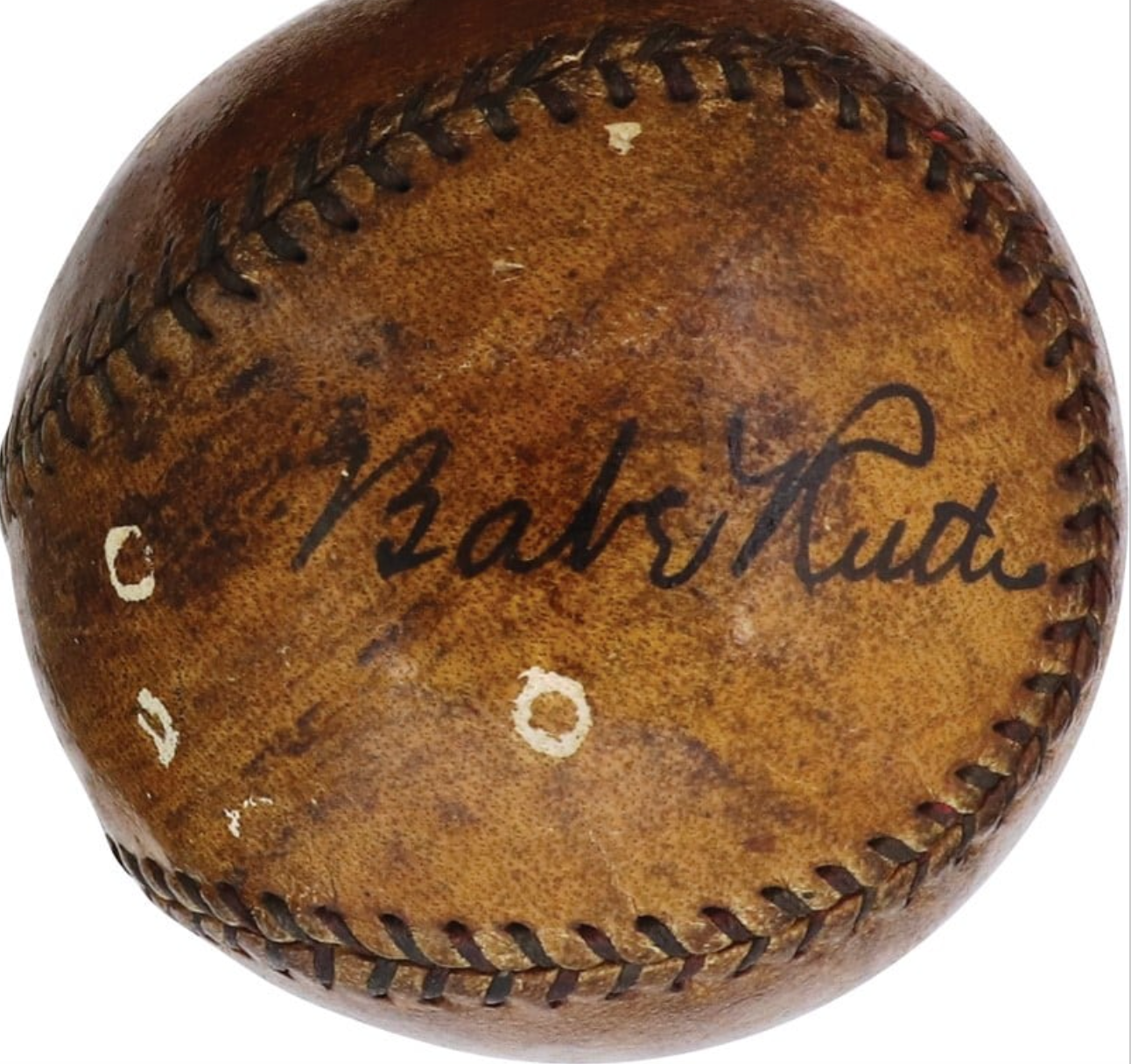
I would have never known about the Babe Ruth Award if it was not for this card. Awarded to the best player of the postseason, and not necessarily the World Series MVP, the Babe Ruth Trophy has been issued since 1949, predating the World Series MVP. It is not well known, however, because it is not recognized by MLB and is awarded at the end of the year when thoughts have already turned to spring training.
The 725-card 2021 Topps Heritage boxed set, which is based on the 1972 Topps design, also includes four award cards. Reappearing are the Cy Young Award (#365), the Most Valuable Player (#366), and the Rookie of the Year (#368). The Willie Mays World Series MVP (#367) replaced the Babe Ruth Award of the 1972 issue. The World Series MVP trophy was named for Mays in 2017 and features an image of The Catch from the 1954 classic, one of the greatest plays in World Series history.
COLLECTING AWARDS
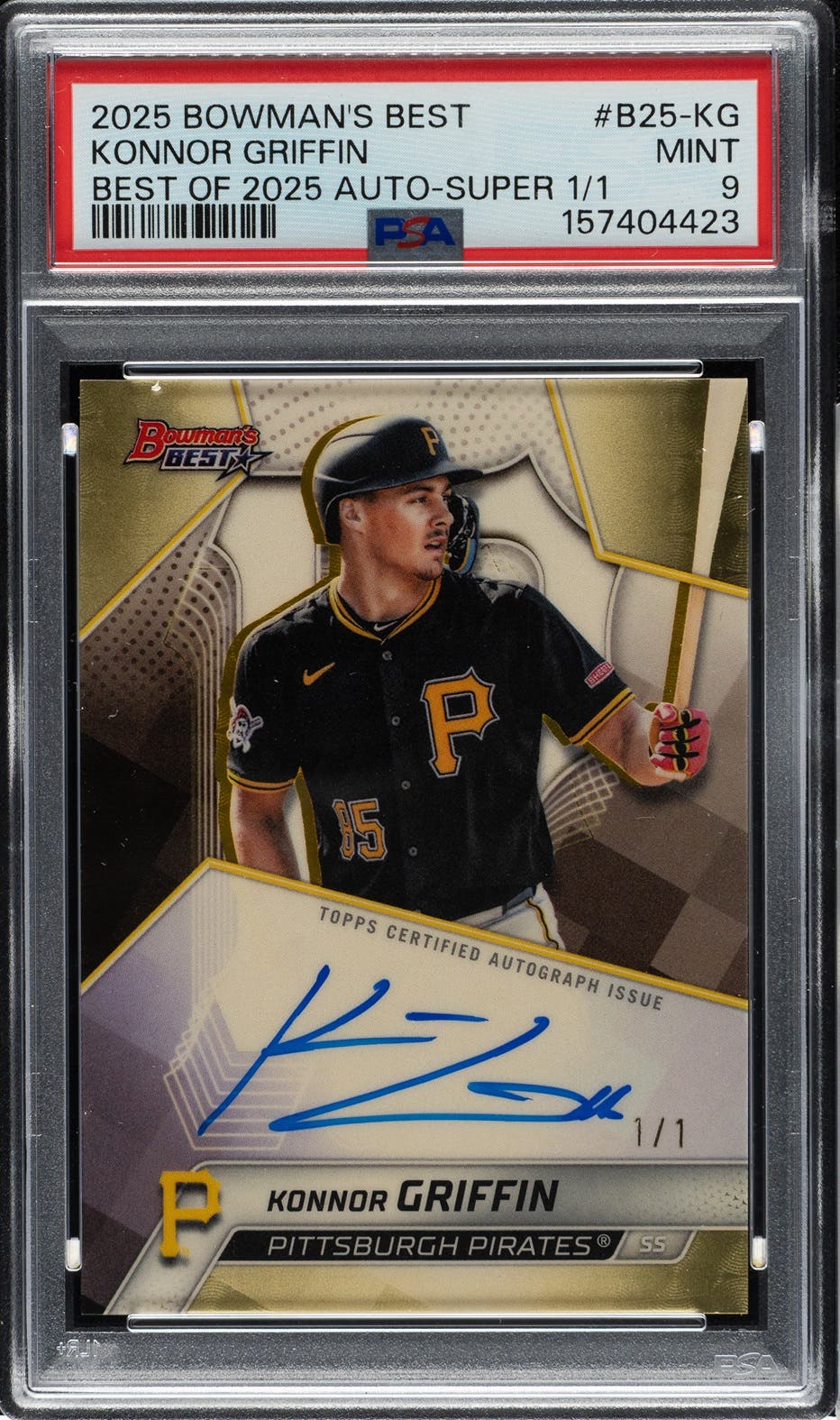
So, what are we to do with these Award cards? Well, why not create treasured 1-of-1 collectibles by getting them autographed by the award recipients.
By sending out cards with personalized letters to players through the mail (TTM), autographs can bring you closer to our hobby and baseball. You will get to know the players who truly support their fans by receiving the occasional note or inscription on the card, which creates unique and meaningful mementos from the personal interactions. TTM autograph resources are available at many online databases and social media sites.
Additionally, I have found the TTM autograph community to be collegial and supportive with many collectors eager to share their tips and success stories. Many helpful subscribers discuss their returns and curate the databases at the Sports Card Forum, in Facebook groups and in Reddit chat rooms.
Collecting signatures on the Awards cards and other often overlooked sets, such as MLB Leaders, postseason action cards or father-and-son cards, not only has added value to these cards but has also changed how I think about my collection. It also edified my baseball history and has truly brought me closer to the game.